


 infos domaine
 Météo
Météo webcams
The Panoramic Trail is one of the most popular hikes in Alpe d’Huez. Easily accessible from the resort, it winds through a forest that was planted tree by tree by local residents. Ever since, the forest has played a quiet but vital role every winter: protecting the area from avalanches. To keep doing so, it needs ongoing care.
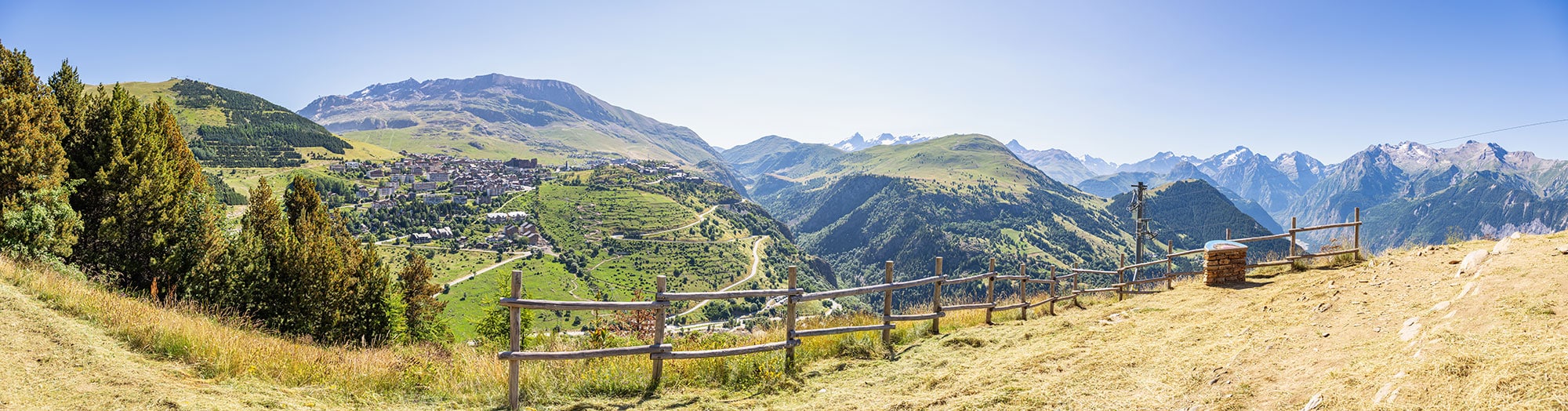
A Forest Born of Necessity
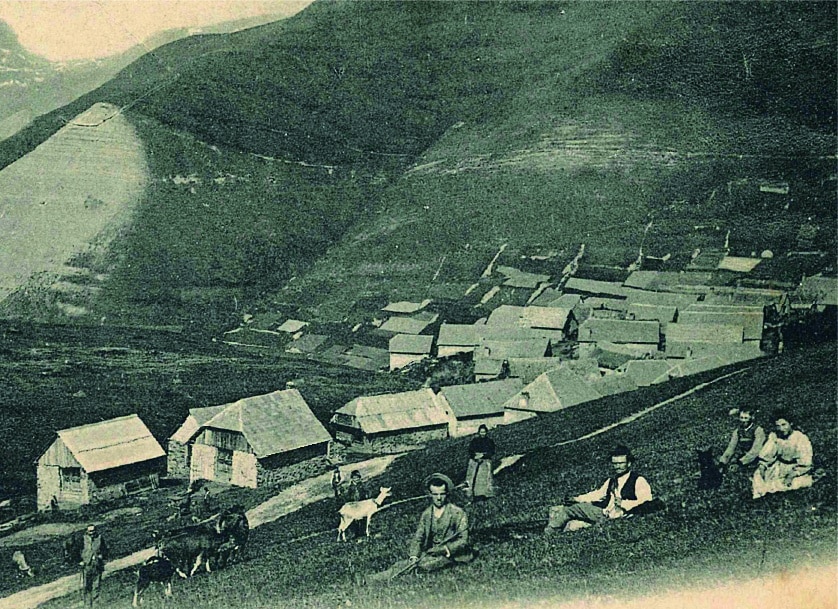
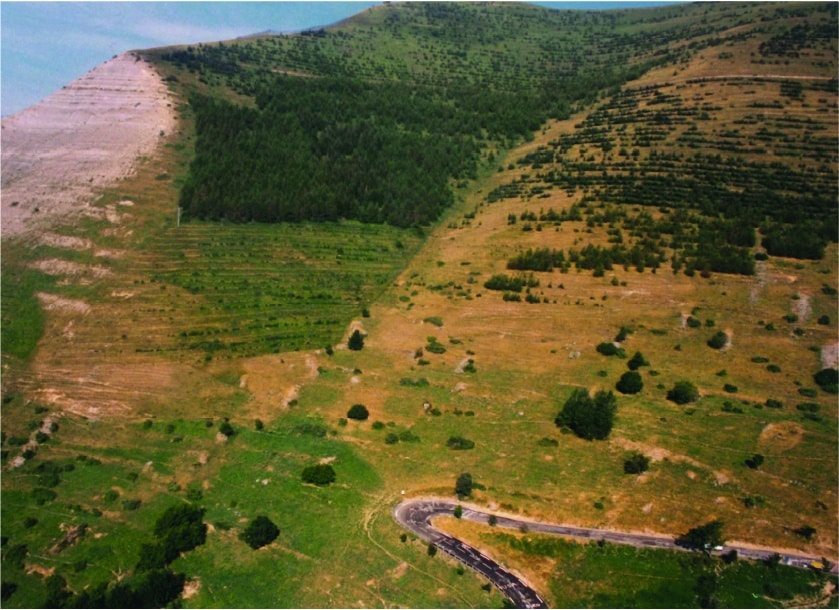
Avalanches devastated the resort and the access road in 1940, 1950 and 1961. In response, local residents planted thousands of trees by hand—using only pickaxes—across 66 hectares. They planted mountain pines, larches and Norway spruces. Today, this forest quietly protects the area from avalanches every winter.
When Trees Grow Too Close Together
As trees grow too densely, they become tall and slender, with shallow root systems that make them more vulnerable to wind and disease. Because this forest was entirely man-made, its structure has become unstable over time. The understory grows darker, wildlife and plant diversity decline, and—most importantly—a weakened forest provides less effective protection against avalanches.
What’s Happening Here: Forest Care, Not Clear-Cutting
Around one tree in five is being removed—those that are weakest or least vigorous—to give the remaining trees the space they need to thrive. With more light and room to grow, they will develop broader crowns, deeper roots and stronger trunks.
The cut trunks are deliberately left standing at 1.2 metres (4 feet) high. Anchored in the snow, they continue to help slow avalanches.
The result will be a healthier, stronger and more resilient forest.
Why Is the Trail Being Widened?
The trail will be widened from 1.5 metres to 4 metres in order to:
- remove felled timber using tractors or horse logging;
- provide emergency access for firefighters in the event of a wildfire (fires have occurred here in the past);
- make the trail more accessible for all visitors.
➡️ Good to Know
- The harvested timber will be put to good use by local craftspeople and for small structures such as fences, as well as firewood.
- New tree species better suited to a changing climate will be planted, including Corsican pine, Calabrian pine, Mediterranean oaks and whitebeam.
🙏 No Need to Worry
- The work has been officially approved by the local authorities and are supervised by the French National Forest Office.
- Measures are in place to protect streams and aquatic habitats throughout the project.
- The work takes place between September and November, outside both the bird nesting season and the peak tourist season.



 infos domaine
 Météo
Météo webcams