


 infos-pistes
 meteo
meteo webcams
Een verhaal gericht op de toekomst
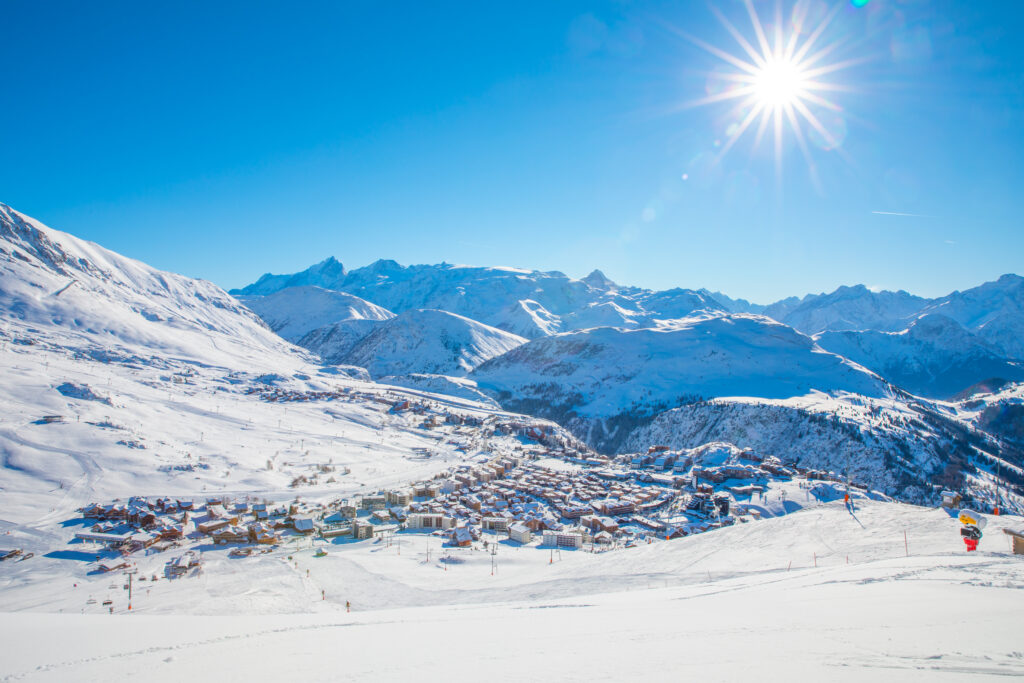
Sinds de eerste skilift in 1936 en de passage van de Tour de France in 1952 is Alpe d’Huez zomer en winter een populaire bestemming geworden. De opkomst groeit voortdurend en combineert loyale vakantiegangers en nieuwe bezoekers die worden aangetrokken door een gevarieerd en authentiek aanbod. Van het dorp op 1860 m tot de Pic Blanc op 3330 m, een heel ecosysteem van professionals evolueert samen. Het resort moet zich vandaag aanpassen aan een veranderende economische en toeristische context. Aan deze uitdagingen wordt nu een grote zorg toegevoegd: klimaatverandering.
Nu de hoek omdraaien
Het is tijd om de pols van onze bergen te nemen en onze verantwoordelijkheid te nemen in het licht van een massief dat een blijvende inzet vereist. Tussen het behoud van de economische pijler en het behoud van duizenden banen in kwestie, is het evenwicht kwetsbaar en hangt het af van onze huidige keuzes. Onze bestemming erkent haar erfgoed, haar grenzen en de noodzaak om te evolueren. De routekaart is aan de gang: ecologische voetafdruk, Flocon Vert, Zero Waste Mountain Charter en de bijbehorende acties. Deze verschuiving moet samen worden genomen, in een gedeelde, creatieve en vastberaden transitie voor de toekomst van bergen.
Een territoriumstrategie
Om onze milieustrategie te begeleiden, hebben we een Flocon Vert-etiketteringsproces gestart. De analyse van het grondgebied door Mountain Riders, aangevuld met onze CO2-voetafdrukbeoordeling, heeft manieren voor actie onthuld (afval, energie, biodiversiteit, water, bodems …). We hebben nu alle elementen om onze eerste doelstellingen te definiëren.
Lees meer
- Een ecologische voetafdruk van 196.175 CO2e over 2023
- Dat is 167 dagen treinverkeer in Frankrijk
- de jaarlijkse uitstoot van 19 816 Fransen
- 32 218 windingen van de aarde per vliegtuig
- de verbranding van 63 282 258 liter diesel
- reizen vertegenwoordigt 80% van de ecologische voetafdruk.
- 6 werkgroepen aan het werk
- Om de inwoners bij het Flocon Vert-label te betrekken, hebben we 6 werkgroepen opgericht met 6 hoofdthema’s: lokaal leven, erfgoed, afval, middelen, eigenaren en aankopen. Deze groepen zijn verantwoordelijk voor het voorstellen van concrete verbeterpunten.
- Publicatie van een handvest van verantwoordelijke evenementen
- Dit Handvest heeft tot doel evenementen uit te nodigen om praktijken te integreren die gericht zijn op het beperken van milieueffecten, het versterken van positieve resultaten voor het grondgebied en het bevorderen van respectvol gedrag onder deelnemers.
- Om het Handvest te raadplegen: Klik hier
Een natuur om te beschermen, te behouden en te versterken
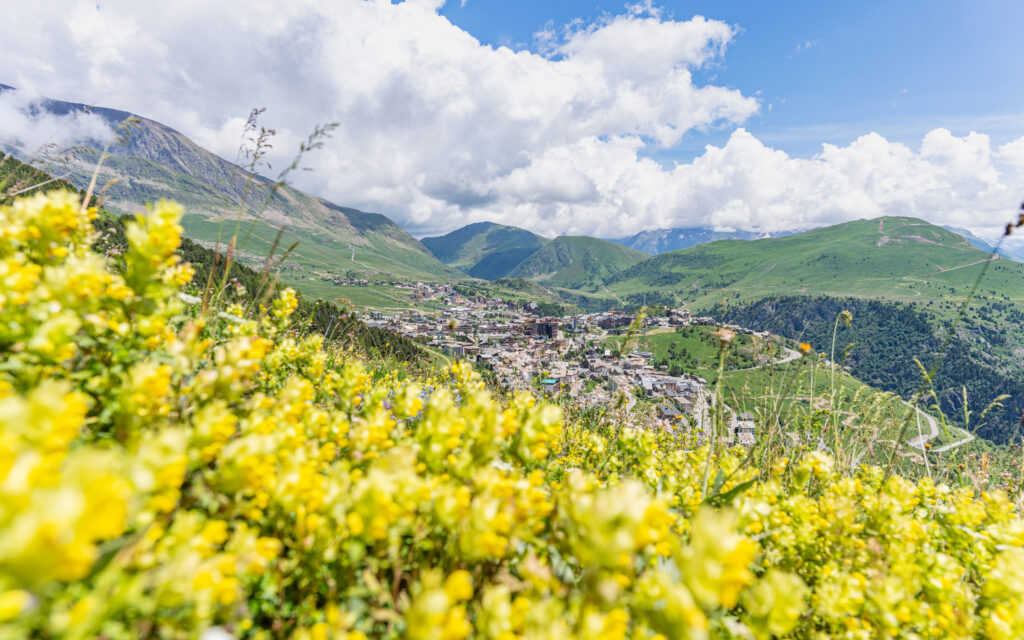
Ons grondgebied herbergt een opmerkelijke biodiversiteit, met drie hooggelegen wetlands, meer dan 190 floristische soorten en 160 faunasoorten. Deze omgevingen spelen een essentiële rol bij waterregulering en koolstofopslag. Elke ruimte, zowel op grote als op lage hoogte, wordt zorgvuldig gecontroleerd om hulpbronnen en natuurlijke diversiteit te behouden.
lees meer
- 3 hoogte wetlands van erfgoedbelang
- Ze worden vermeld door het Conservatorium van Natuurlijke Ruimtes, beschermd door Biotopenbeschermingsorders en gelabeld als een gevoelige natuurlijke ruimte. Dit zijn echte sponzen die tijdens natte periodes (sneeuwsmelting) water opnemen om het tijdens droge periodes in het milieu te laten vrijkomen. Ze dragen bij aan het in stand houden van de waterlopen en beschermen deze essentiële hulpbron voor de economische activiteit van Alpe d’Huez.
- 1.528 soorten over het hele grondgebied van Alpe d’Huez
- Onder degenen – zijn sommigen beschermd om hun verdwijning te voorkomen, zoals de Apollo Butterfly en de Drosera
- Plant in 10 jaar van 6.000 bomen
- Sinds 2014 plant de gemeenschap bomen en vraagt zij bij het afgeven van een bouwvergunning het planten of terugwinnen van bomen en planten op het land.
- De hoogste kassen van Frankrijk op een hoogte van 1500m
- Het groene ruimteteam produceert ter plaatse 12.000 eenjarige fabrieken en 2.000 vaste planten, allemaal geacclimatiseerd in hun omgeving en met weinig waterverbruik. Er worden geen pesticiden gebruikt, het team voor groene ruimtes geeft prioriteit aan schoffelen, poetsen, wieden, vegen of zelfs insecten.
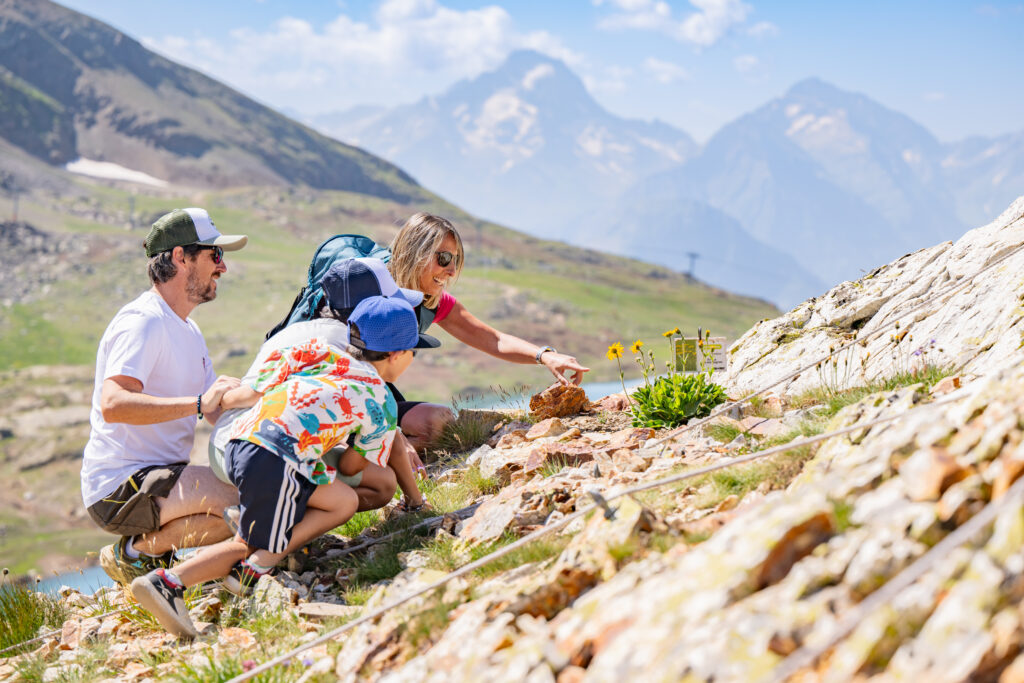
- Een alpentuin op 2700m hoogte
- Een tuin om op een educatieve en leuke manier de bergflora te ontdekken. Aan je voeten, tientallen soorten zoals de Alpine Pansy, de berg Arnica, de moerasbosbes, de baai klaver of zelfs de Alpine Alchémille.
- Grazen, een traditie die blijft bestaan
- Ongeveer 2.000 schapen en 280 runderen zijn in de zomer verspreid over het landgoed en staan onder toezicht van twee herders. Deze praktijk helpt de biodiversiteit te behouden, natuurlijke landschappen te behouden en bergecosystemen te beschermen.
Beweeg terwijl de impact wordt geminimaliseerd
Reizen is een belangrijk onderdeel van de ecologische voetafdruk van een verblijf in Alpe d’Huez. Om het gebruik van de auto te beperken, bieden wij gratis openbaar vervoer, moderne shuttles en liften met gratis toegang. Het doel is om reizen voor iedereen te vergemakkelijken en tegelijkertijd de milieu-impact te verminderen.
Lees meer
- Een netwerk van elektrische terminals
- In totaal heeft de gemeente nu 22 oplaadpunten verdeeld over 7 locaties, waaronder de eerste superlader in de afdeling met 6 oplaadpunten.
- Gratis pendeldienst
- Om het gebruik van het openbaar vervoer aan te moedigen, zijn de Resalp-shuttles die in het resort en de meren circuleren gratis en voldoen ze aan de Euro6-normen. We hebben ook een hybride coach in dienst genomen, de eerste die in de Franse Alpen actief was
- 3 skiliften met gratis toegang
- Huez Express, Alpe Express en het Telecentrum zijn gratis toegankelijk om vakantiegangers en de lokale bevolking aan te moedigen hun auto niet te gebruiken. Afgelopen winter (2024-2025) werden bijna 1.655.000 passages geregistreerd.
- GoAlpe d’Huez voor een schonere reis
- De online service “Go Alpe d’Huez” maakt het mogelijk om alle transportmethoden op dezelfde plek samen te voegen en te verkopen om een zo succesvol en verantwoord mogelijke route te creëren.

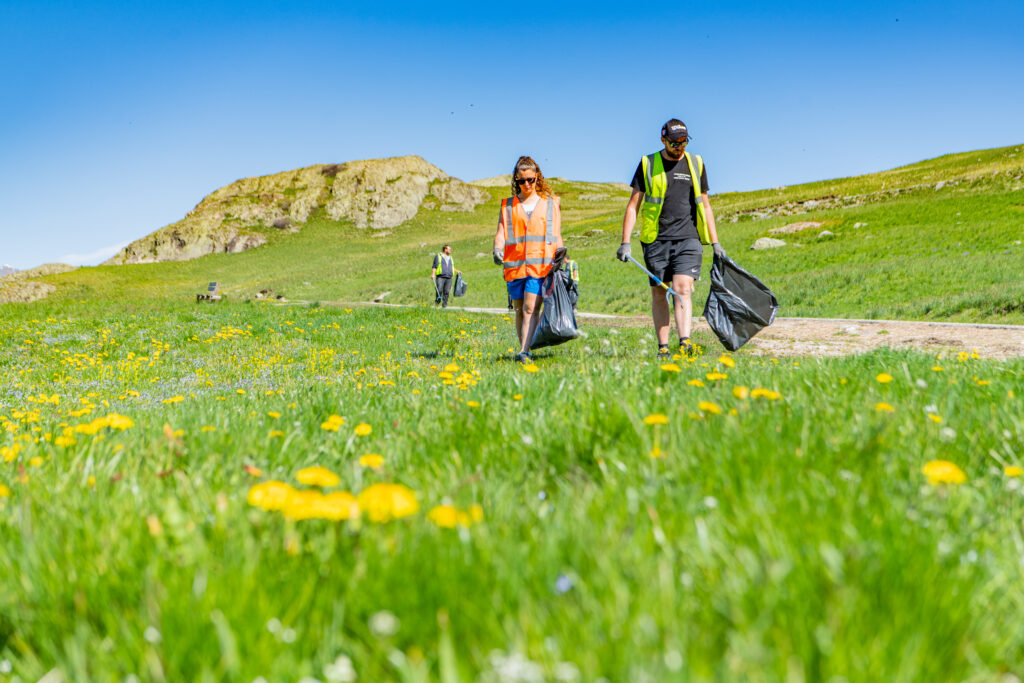
Voor verantwoord afvalbeheer
Afvalbeheer is een groot probleem in het resort, vooral tijdens toeristische periodes. Bij Alpe d’Huez analyseren we hun oorsprong en ontwikkelen we oplossingen om volumes aan de bron te verminderen. Het doel is om afval drastisch te verminderen of zelfs te elimineren om onze bergen duurzaam te beschermen.
Lees meer
- Geen afval bergdoel
- De ambitie van vandaag is duidelijk: 0 wild afval in onze bergen tegen 2030. Om dit te bereiken heeft de Alpe d’Huez het handvest en een actieplan met 3 prioriteiten ondertekend: verminderen, bewust maken, verzamelen en evalueren
- 1700 kg afval
- Jaarlijks wordt in het voorjaar op het landgoed en op het station een afvalinzamelingsactie georganiseerd. In 2025 werd 1.700 kg afval ingezameld, waaronder 20.000 sigarettenpeuken. Afgelopen winter werden 3000 herbruikbare zakasbakken gratis uitgedeeld.
- Composters beschikbaar
- De gemeenschap van gemeenten van Oisans heeft 12 composters ingezet in Huez en Alpe d’Huez, zodat de lokale bevolking en vakantiegangers organisch afval kunnen sorteren. Ze worden omgevormd tot compost en vervolgens gratis ter beschikking gesteld in het recyclingcentrum van Huez
- Een charter van evenementen
- We verwelkomen elk jaar meer dan dertig evenementen (sport en cultureel) die afval produceren. We werken aan de ontwikkeling van een specifiek handvest om goede acties in te kaderen.
Pas de activiteit aan klimaatveranderingen aan
Om de komende decennia een jaarrond leven te behouden, moeten we onze toeristische dynamiek aanpassen aan klimaatverandering. Met Altitude 3300 projecteert Espace Alpe d’Huez voor alle seizoenen, alle praktijken en ten dienste van een levend en duurzaam gebied voor de komende 50 jaar.
Lees meer
- Versterk de verbinding tussen de 5 stations van de Espace Alpe d’Huez
- We vervangen 6 oude apparatuur, minder aangepast, door de installatie van nieuwe gondels, sneller, comfortabeler en efficiënter. We willen reizen tussen bestemmingen in elk seizoen vergemakkelijken.
- 2x minder kWh verbruikt per gebruiker
- Meer sobere uitrusting, minder energieverbruik, ontworpen voor een meer verantwoord bergtoerisme en gedragen door 30 lokale bedrijven
- Bredere toegankelijkheid
- Infrastructuur ontworpen voor iedereen: skiërs, voetgangers, mountainbikers, gezinnen, mensen met beperkte mobiliteit
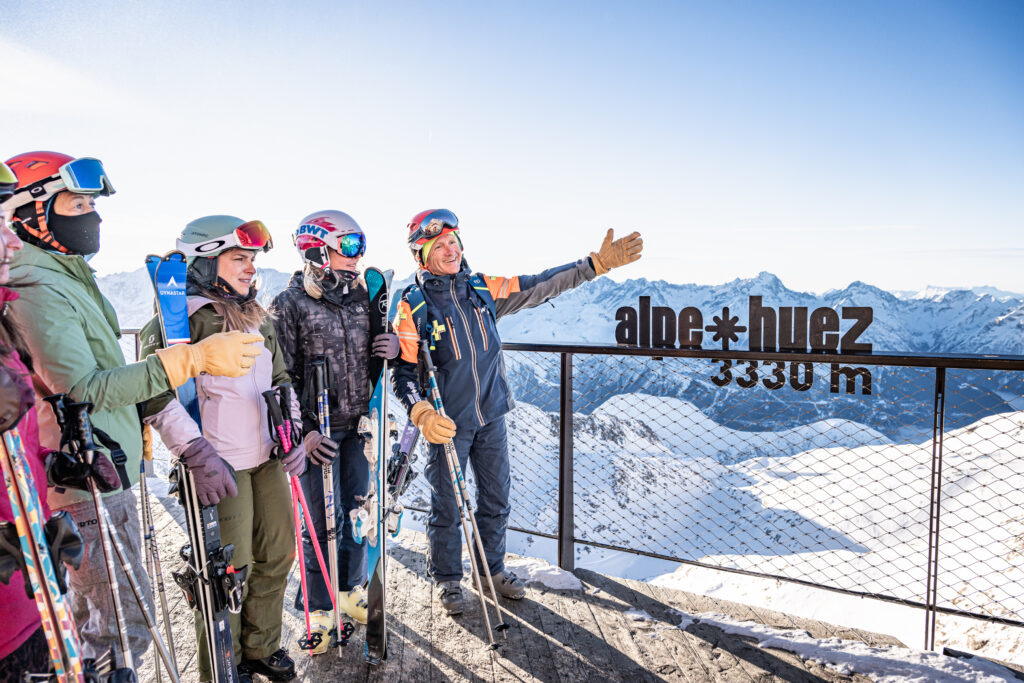
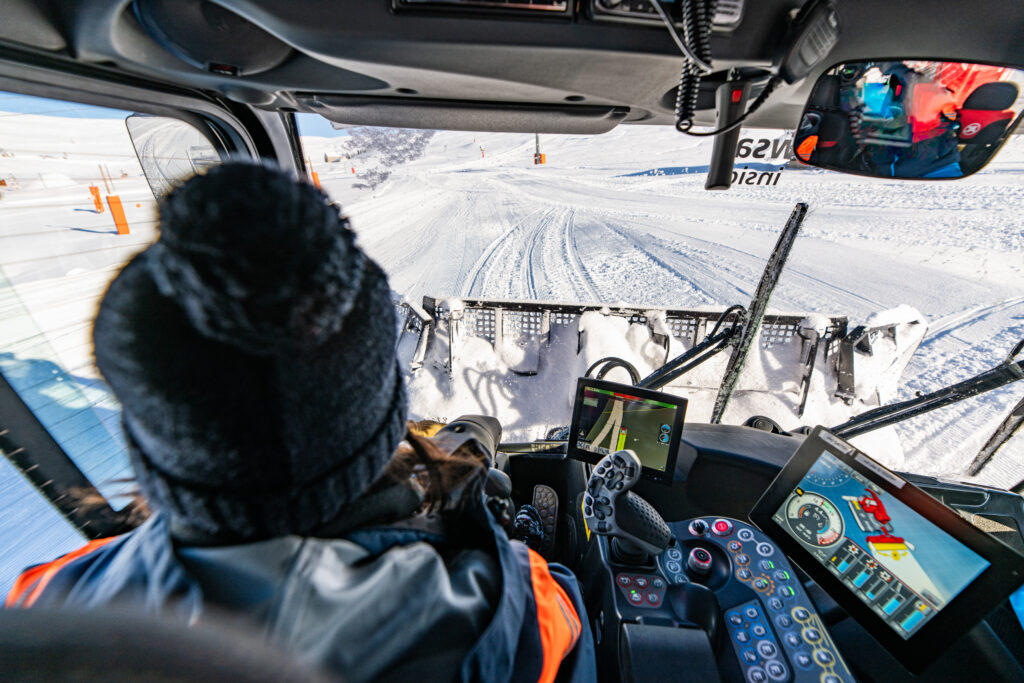
Espace Alpe d’Huez, in het hart van de reflectie
SATA Group zet zich al jaren in voor een milieuaanpak die zich volledig bewust is van de uitdagingen waarmee de planeet wordt geconfronteerd en het behoud van haar actieterrein: het territorium en het bergdomein
Lees meer
- Begeleide renovatiewerkzaamheden
- Er wordt altijd een landschaps- en milieueffectstudie uitgevoerd. De bebouwbare gebieden zijn ook afgebakend om geen invloed te hebben op de ecologische corridors. Zodra het werk is gestart, worden verschillende bepalingen aangenomen, waaronder onder meer: herbegroeiing en systematische herbegroeiing, biologisch afbreekbare en gelabelde apparatuur, bescherming van dieren in het wild, met name de rode kikker
- Een landschapsintegratiebeleid
- Sinds 2005 onderneemt de SATA stappen om masten en kabels te demonteren. Vandaag hebben we 150 km masten en 50 km kabels verwijderd.
- Beperk vervuilend transport
- De Sata heeft een busroute opgezet om haar medewerkers vanuit de vallei te vervoeren
- Alle medewerkers die sneeuwverzorgers en gemotoriseerde voertuigen gebruiken, zijn getraind in ecorijden
- De 28 sneeuwruimers en de 4×4’s die op het landgoed rijden, werken op HVO100. Initiatieven die hebben geleid tot een vermindering van 85% van de broeikasgassen voor de vloot en 65% van de fijne deeltjes. Een echte wens ondanks extra kosten van 20 tot 30%.


 infos-pistes
 meteo
meteo webcams